
Single Hook Selection Guide: Choose the Right Garage Hook

A single hook selection guide helps buyers match a compact wall-mounted hook to the items it will hold. The MyGarageXpert Single Hook is a heavy-duty steel utility hook with a 55lb maximum loading capacity, a single-arm open design and a protective padded contact surface. It mounts on a compatible garage wall rail system and suits tools, bags, cords, sports gear and general equipment in garages, workshops, sheds and utility rooms. This guide explains the specifications that matter, the questions to ask and the details to confirm before you place an order.
What a single hook selection guide should cover first
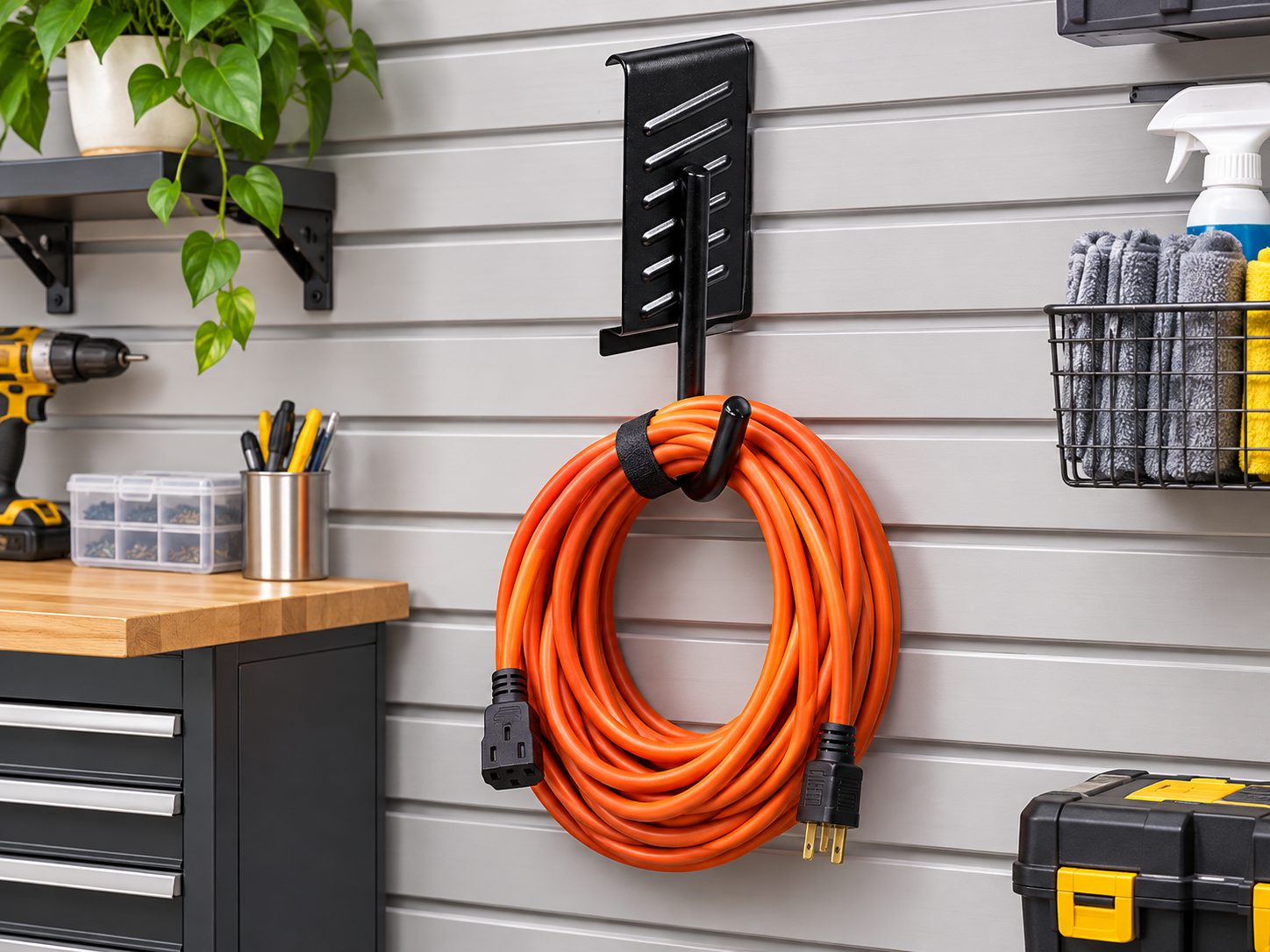
Start with the job the hook must do. A single-arm hook holds one item or a small bundle, so it suits frequently used tools, coiled cords, bags and sports accessories that need to stay visible and within reach. The open hook shape allows quick hanging and removal, which matters in busy workshops and utility areas.
Then confirm the mounting method. This hook is designed for a compatible garage wall rail system rather than direct fixing to a bare wall, so the rail must be part of the planned storage layout. Buyers sourcing for resale should check that their target market already uses rail-based systems, because the hook's value depends on that ecosystem.
Single hook specifications that affect buying decisions
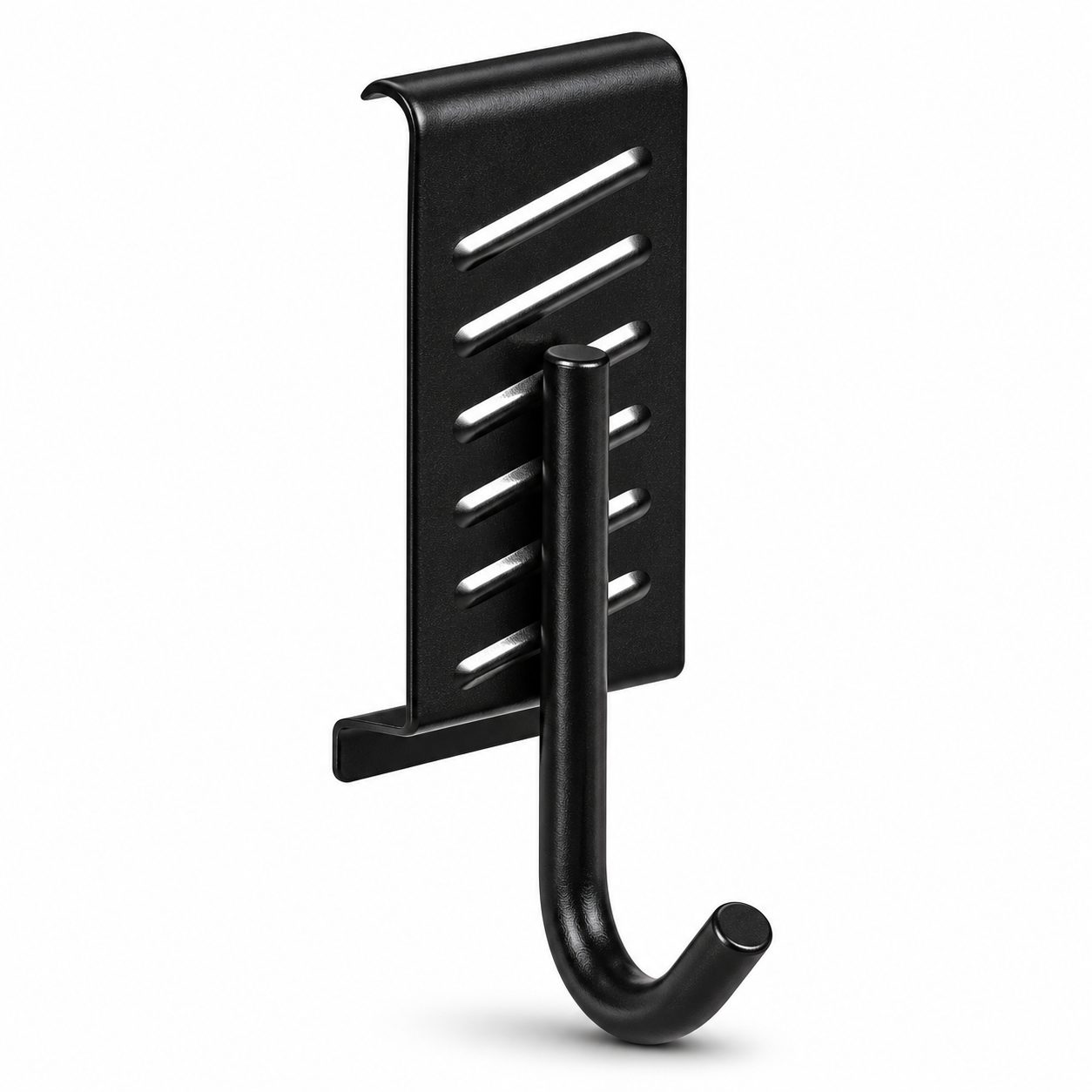
The published specification set is short but decisive. The hook carries a 55lb maximum load, is built from heavy-duty steel and has a padded contact area to reduce scratches and improve grip. Its compact single-arm form keeps wall space free compared with bulkier storage hardware.
Product type: single hook or garage utility hook
Maximum loading: 55lb
Design: single-arm storage hook
Construction: heavy-duty steel
Surface: protective padded contact area
Mounting type: compatible wall rail system
Applications: garage, workshop, shed, utility room, sports storage
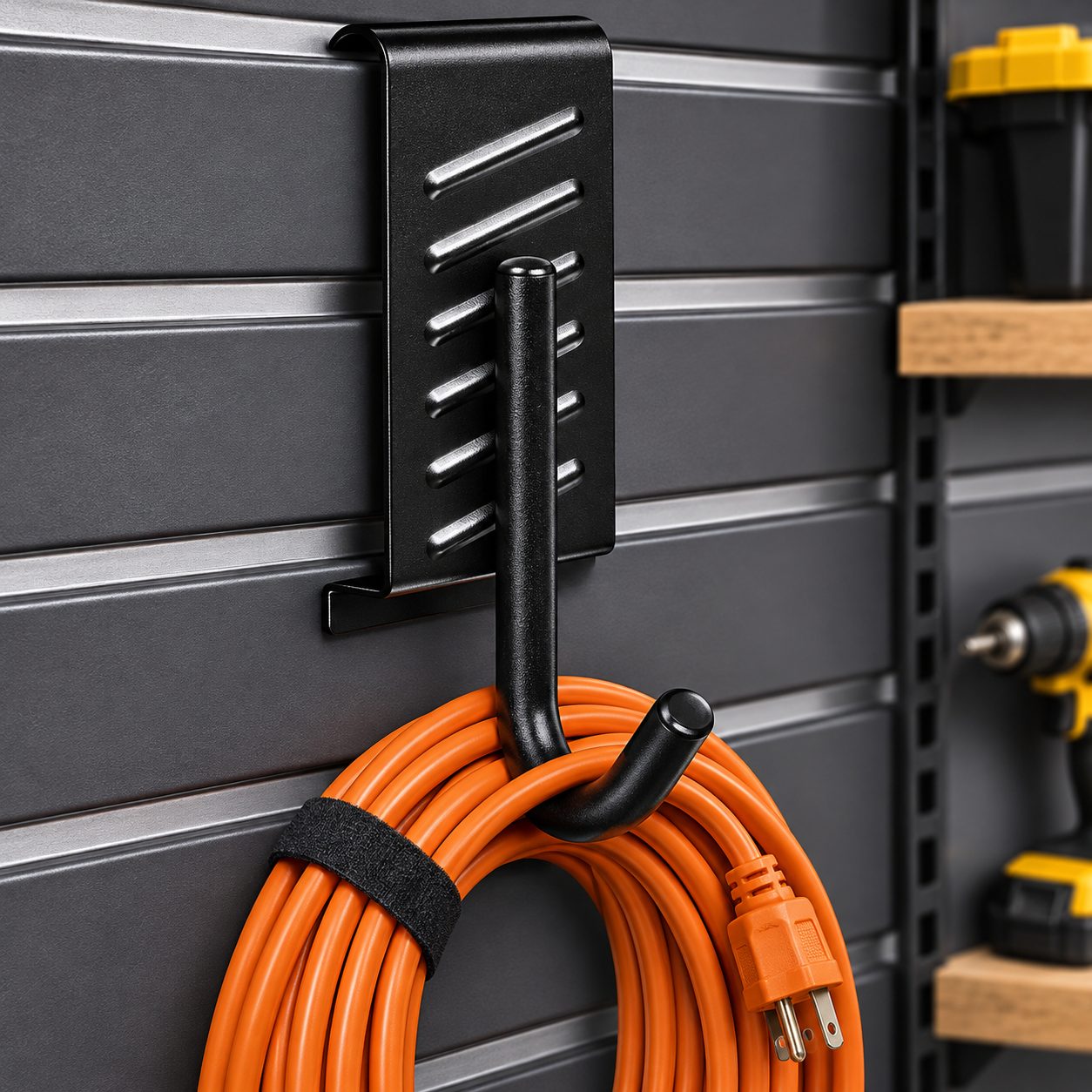
These points answer most first-round questions from importers, but they should still be restated clearly in any product listing so end users understand the load limit and the rail requirement.
Single hook technical parameters to verify before ordering
Technical parameters cover packaging and logistics as much as the product itself. The carton measures 32cm long, 32cm wide and 10.01cm high, and weighs 3.99kg. These figures drive container planning, warehouse slotting and courier tier decisions, so confirm them against your own handling setup.
Also verify how the hook interfaces with the rail: the fit, the locking action and the finish of the steel and padding. Because the supplied data does not state rail dimensions, coating type or individual hook weight, request those details directly rather than assuming them. A short technical confirmation at the sampling stage prevents costly mismatches later.
Single hook loading qty and carton planning
The stated loading quantity is 114,000 units. That figure is the basis for container and freight calculations, and it should be checked against the carton dimensions above when you build a shipment plan. Because the carton is compact, volume efficiency is favourable, but the final count depends on palletising and any mixed-model loading.
For buyers running several hook variants, split the loading quantity across models early and confirm how mixed cartons are handled. Clear loading assumptions keep freight quotes comparable and reduce the risk of rework at the port.
Single hook moq and o
rder planning
The stated minimum order quantity is 114,000 units, which positions this hook for volume programmes rather than small trial orders. Plan your first order around that threshold and align it with forecast demand so stock does not sit idle.
Where a lower entry volume is needed, ask whether the MOQ applies per model or per order, and whether sample quantities can be arranged separately. Treat any answer as commercial information to be confirmed in writing rather than an assumption built into your budget.
Comparing single hook options and alternatives
Within the single hook category, compare hooks on load rating, arm length, padding and rail compatibility. A 55lb hook suits light to medium items; heavier equipment needs a different solution. Compare padded and unpadded contact areas if scratch protection matters for your customers.
Single-arm hook: best for individual tools, cords and bags
Longer-arm hook: better for bulky or deep items
Double hook: suited to paired or wider equipment
Rail-mounted versus direct-fix: choose based on the installed system
Match the option to the end user's storage layout rather than to unit price alone, because an incompatible hook generates returns regardless of its quality.
Customization and OEM ODM options
Buyers building a private-label range can discuss OEM and ODM options with the supplier, including branding on packaging and product literature. Confirm which elements are customizable, what artwork files are required and how changes affect the order quantity and schedule. Keep customization requests specific and documented so samples and bulk production stay aligned.
What to include in a quotation request
A complete request shortens the quoting cycle. Include the model and quantity you need, your target packaging format, any branding requirements, the destination port and your preferred shipping terms. Reference the loading quantity and MOQ so the supplier can quote against realistic volumes.
Product model and required quantity
Packaging and labelling requirements
Branding or OEM requests
Destination and shipping terms
Requested samples and documentation
Next step for buyers
Use this single hook selection guide to shortlist the hook against your rail system, load requirements and order volume, then contact the supplier with your specification and quantity so they can confirm details and prepare a quotation.
#SingleHook #GarageStorageHook #WallRailStorage #UtilityHook #GarageOrganization